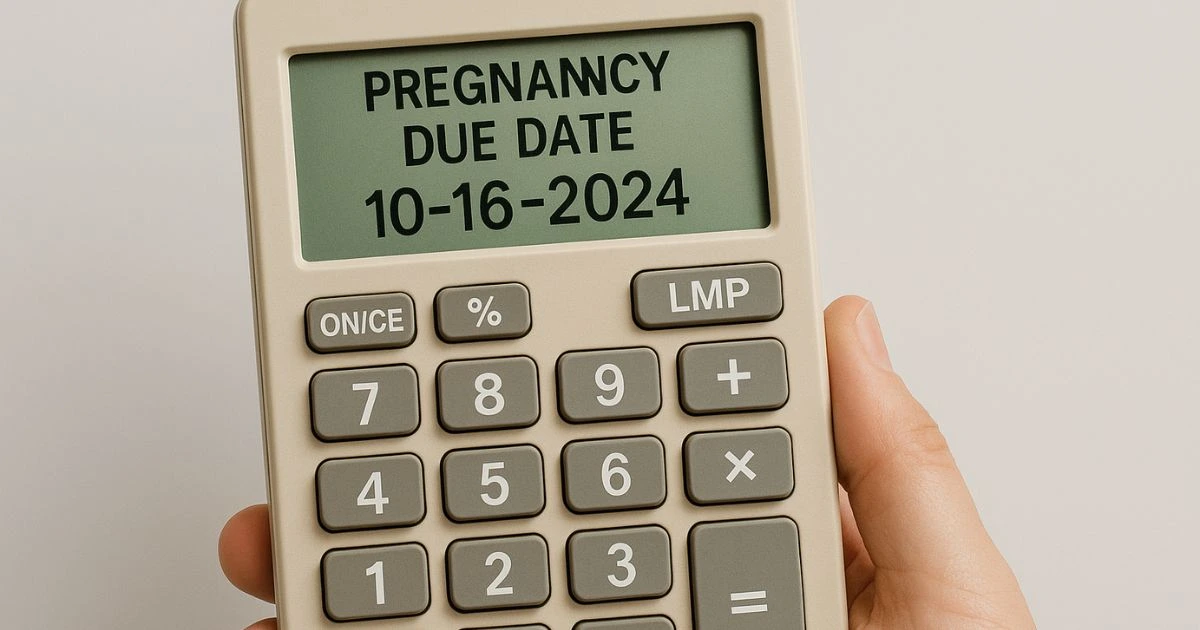
How a Pregnancy Calculator Works and What I Saw While Using It
When I first tried to understand how a pregnancy calculator works, I honestly expected something confusing. Yet I found that the idea behind it was simple enough for anyone to grasp. Since then, I kept testing different tools because I like knowing how things behave behind the screen.
A pregnancy calculator tells you the expected due date based on your cycle information. It gives a rough timeline of weeks, months, and trimester positions. While using it, I saw that it also shows how far the pregnancy might have progressed at that moment. Even though it cannot replace a medical test, it gives a quick idea that helps many people stay informed.
How I First Learned About It
I came across my first pregnancy calculator when someone asked me how due dates are predicted. As I tested the tool, I noticed that it only needed the last menstrual period. This surprised me because I always thought such predictions needed a long set of medical reports. While checking different sites, I realized most calculators work on the same model.
Because I wanted to see if these tools give similar dates, I entered sample dates again and again. Although small changes appeared, the main idea remained the same. The tool used LMP as the starting point. After that, it counted around forty weeks. As I saw the results, I found it interesting how predictable the outcome was. If you want to dig deeper into this, guides about how accurate a due date calculator is can be helpful.
How It Gives a Due Date
The calculator uses the LMP date and adds 280 days. While doing this, it also assumes an average cycle length. As I played with sample dates, I noticed the due date shifted when I changed the cycle length. This showed me how easily cycle details influence the results.
Although the tool does not have a brain or emotions, it still gives a structured estimate. Because it counts weeks from the LMP, it works even when someone does not remember their exact ovulation date. Many people use it for this reason.
Why People Rely on It
People rely on these tools because they are quick and simple. While talking to different users, I noticed that most only wanted a basic idea of their pregnancy timeline. Since not everyone can visit a doctor immediately, this online option becomes useful.
Because the calculator shows a clear week-by-week estimate, it removes the guesswork. Even though medical tests are more accurate, this tool feels like a starting point that reduces confusion. Many use it when they want a quick check before going for an ultrasound.
How a Pregnancy Calculator Works Step by Step
When I wanted to see what happens inside the tool, I broke the process into small steps. Because the logic is simple, anyone can follow it without trouble. Yet each method has its own details.
LMP Based Calculation
The most common method uses the LMP date. When you type that date, the calculator treats it as the first day of pregnancy. Then it counts forty weeks forward. I tested this many times, and the outcome stayed consistent. While switching dates, I also noticed that small changes in LMP shift the due date a lot.
Because this method depends on remembering the correct date, many people use period-tracking apps to stay accurate. When the date is correct, the calculator works well.
Conception Based Calculation
Sometimes people know when conception happened. When I entered a specific conception date, the calculator added around 266 days. This is the average time from conception to birth. Although conception is tricky to confirm without medical help, some users still know the approximate day.
While testing this mode, I realized the due date is slightly different from LMP mode. The tool calculates from a different starting point.
IVF Based Calculation
When I looked into IVF-related dates, I saw special sections in many tools. Because IVF uses embryo transfer and blastocyst ages, calculators need different formulas. When I added embryo transfer dates, the tool adjusted the weeks automatically.
I found this helpful because IVF patients often track every step. They need accurate date mapping, so this option helps reduce confusion.
LMP vs Conception vs IVF: Quick Comparison
| Method | Main Input | Days Added | Best For | Limitations |
|---|---|---|---|---|
| LMP based | First day of last menstrual period | Around 280 days | Most pregnancies with known period dates | Less accurate if cycles are irregular or LMP date is uncertain |
| Conception based | Estimated conception date | Around 266 days | People who know the likely conception window | Conception day is often hard to confirm without medical testing |
| IVF based | Embryo transfer date and embryo age | Varies based on transfer stage | IVF patients who track every step closely | Requires very specific clinical information from the IVF timeline |
Why Accuracy Changes
As I kept testing random dates, I saw variations. The calculator changes results when ovulation patterns differ, because real cycles are never exactly the same. Even small delays in ovulation change the timeline.
Because of this, doctors use ultrasound later to confirm the actual gestational age. Yet the calculator still stays useful for early planning.
My Personal Experience Using a Pregnancy Calculator
I spent days testing different pregnancy calculator tools because I wanted to see how each one felt from a user’s point of view. Because I love observing small details, I kept track of how design and flow affect understanding.
What I Saw When I Tested Different Tools
When I used multiple calculators, I saw small variations in the displayed week numbers. Although the core logic stayed the same, the layout made a huge difference. One website showed fetal development images. Another displayed trimester progress. This made me realize that the tool design affects how clearly someone can understand their situation. A clear week-by-week view, like the milestones section in this calculator, can make it easier to follow your own timeline in the pregnancy milestones table.
What Confused Me at First
During my first tests, the biggest confusion was why the pregnancy count starts from LMP. It felt strange at first. After checking doctor explanations, I learned that doctors use LMP because it gives a consistent timeline even when ovulation day is unknown.
Once this clicked, all online tools made sense. Because LMP always happens before conception, the count includes those early weeks.
How I Understood the Results Better
With time, I learned to read the results with more confidence. Now, whenever I test a calculator, I look for trimester details first. Then I check the weekly progress chart. Because these charts show symptoms and fetal growth, they help people understand what might happen at each stage. Reading a detailed guide on pregnancy symptoms week by week can also make the numbers feel more real.
Things a Pregnancy Calculator Can Tell You
I kept exploring more features across different tools. Because each tool displays information in its own style, I found that people benefit from more than just due dates.
Due Date
The due date is the main output. When I entered different LMP dates, the due date adjusted quickly. Because the tool does not consider medical conditions, it stays a rough estimate.
Trimester Stage
Most calculators show which trimester someone might be in. When I looked at their logic, I saw that they divide the timeline into three large parts. Because this helps people track progress, it is one of the most used features.
Week by Week Progress
Week tracking became one of my favorite parts. While checking sample weeks, I noticed how the tool displays fetal development milestones and common symptoms. A clear week-by-week breakdown inside a calculator helps people connect dates with what they might feel in real life.
Possible Symptoms at Each Stage
Symptoms change over time. When I clicked different week numbers, some calculators listed signs like nausea, fatigue, or increased appetite. Although these are general suggestions, they guide people when they are unsure what to expect.
Limitations of a Pregnancy Calculator
Even though calculators help, they have limits. I noticed these limits when I compared results with medical sources.
When the Tool May Not Give Correct Results
If the LMP date is wrong, the due date becomes inaccurate. While testing, I changed LMP inputs by a week and saw major differences. Because of this, users should enter correct dates.
Why Doctors Still Use Ultrasound
Doctors check fetal size through ultrasound. Because growth patterns vary, ultrasound gives a more reliable estimate. When I saw how different tools behave, I realized calculators can only guess based on fixed formulas.
Why Cycle Length Matters
Cycle length changes the ovulation window. When I adjusted cycle length in tools, the due date shifted. This taught me how sensitive these tools are to simple changes.
Related Tools People Usually Use
While exploring websites, I saw many tools paired with pregnancy calculators. These tools help with tracking body changes more accurately.
Ovulation Tool
Ovulation tools help people understand fertile days. I tested a few and saw how they mark the window when pregnancy is most likely.
Fertility Tool
Fertility calculators use cycle data to show chances of conception. Because they rely on the same biological patterns, they work well with pregnancy trackers.
Week Counter
This tool counts pregnancy weeks directly. When I entered a due date, it told me how far along the pregnancy might be.
Kick Counter
Kick counters help people track fetal movement. I saw these tools used during the later months.
When to Trust a Pregnancy Calculator and When to Ask a Doctor
People often ask when online tools are enough. I observed that timing makes a huge difference.
Simple Cases Where It Helps
If someone only wants a quick estimate, a pregnancy calculator works well. It gives basic week numbers and trimester information and can be a useful first step before booking a visit.
Situations Where Medical Help Is Better
If symptoms feel unusual or if cycles are irregular, a medical test is better. Doctors can measure fetal size and check development accurately.
Final Thoughts from My Own Experience
After testing pregnancy calculators for a long time, I can say they help people understand timelines better. Because these tools give simple results, they reduce confusion during early stages.
How These Tools Make Things Easier
They give a quick idea of due dates, week counts, and trimester positions. When people just want a fast estimate, these tools work well and can make early planning feel less overwhelming.
What Someone Should Keep in Mind Before Using One
A pregnancy calculator is a starting point, not a medical diagnosis. For accurate results, proper tests and ultrasounds matter more.